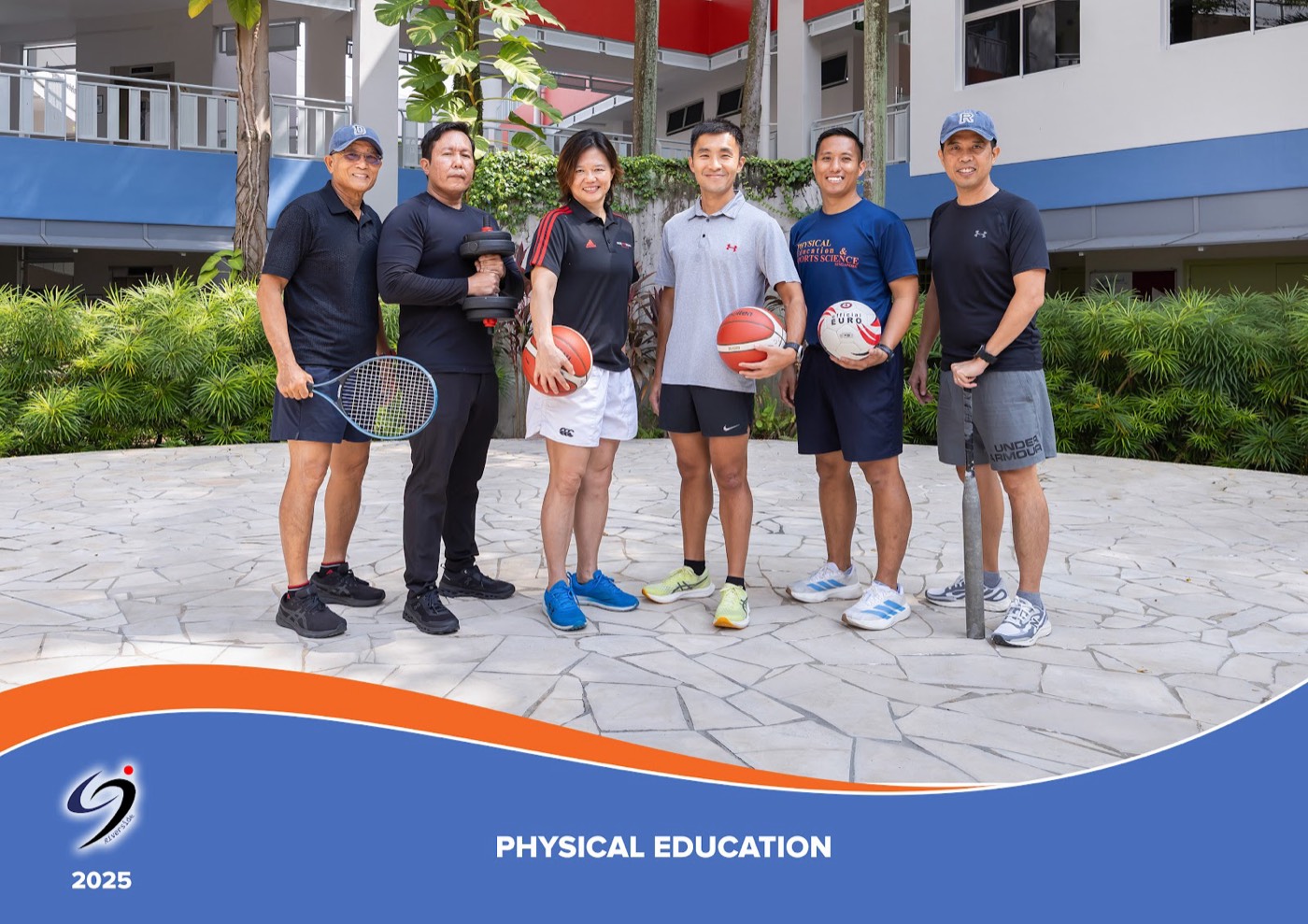
Physical Education
Develop fitness, teamwork, and resilience through sports, outdoor education, and an annual adventure camp.
Aims and approach:
The Physical Education department aims to equip every student with skills and knowledge, anchored on good values, to lead a physically active and healthy lifestyle.
The approach to the teaching and learning of skills and concepts in Physical Education involves:
conducting a series of sports, fitness and conditioning, and outdoor education modules for students to learn to work collaboratively and competitively; and
using pedagogies such as Teaching Games for Understanding (TGFU), Game-Centred Approach (GCA) and Assessment for Learning through Peer- and Self-assessment.
Key programmes:
Sports Carnival
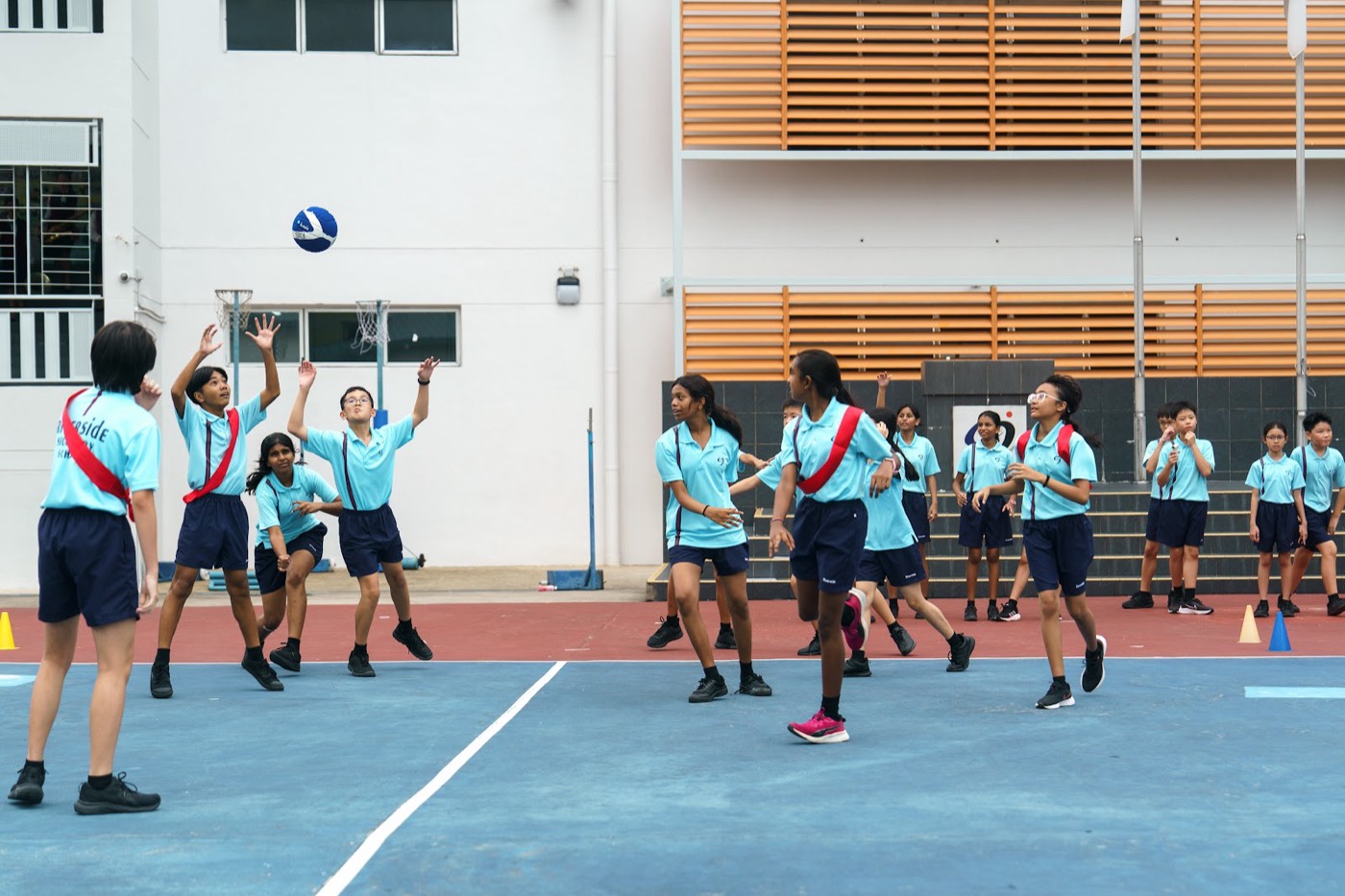
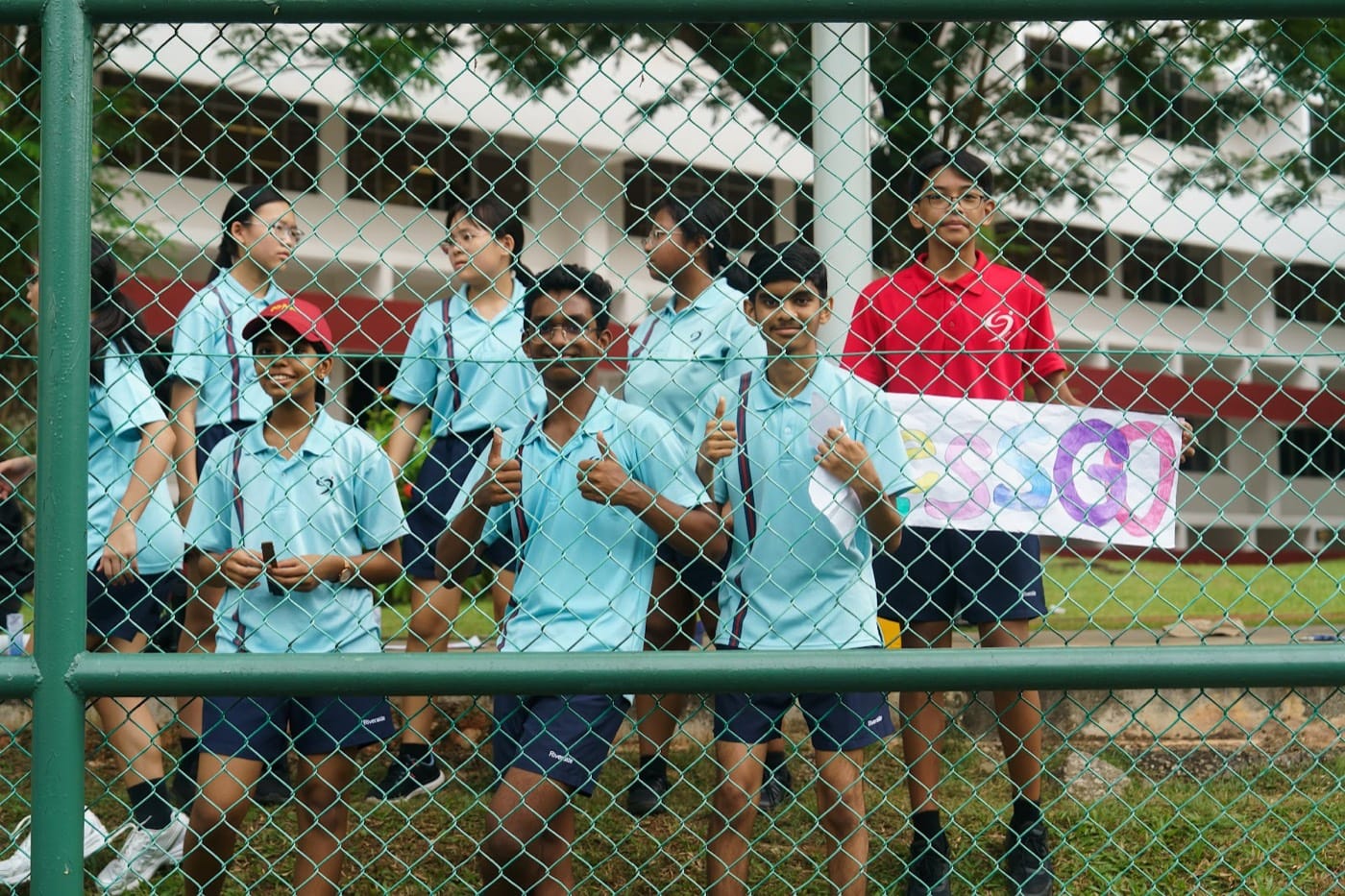
All students competed in the annual inter-class games to put into practice sport skills acquired over 8 weeks of lessons. By playing against peers from other classes in the same level, they experience the competitive spirit of sports and appreciate the importance of teamwork and sportsmanship. Through the carnival, students also develop resilience and the determination to strive for excellence in all that they do.
Outdoor Learning Programme
Students are equipped with basic knowledge of orienteering, map-reading, tent-pitching and injury management during the Outdoor Education (OE) modules. The 3-day, 2-night Adventure Camp for Secondary 1 & 3 students is an annual highlight. It provides an opportunity for students to apply the knowledge and skills acquired from the OE modules as they go through a series of physical challenges as a class. Through the OE Programme, students grow to be more resilient and adaptable.
Highlights and achievements:
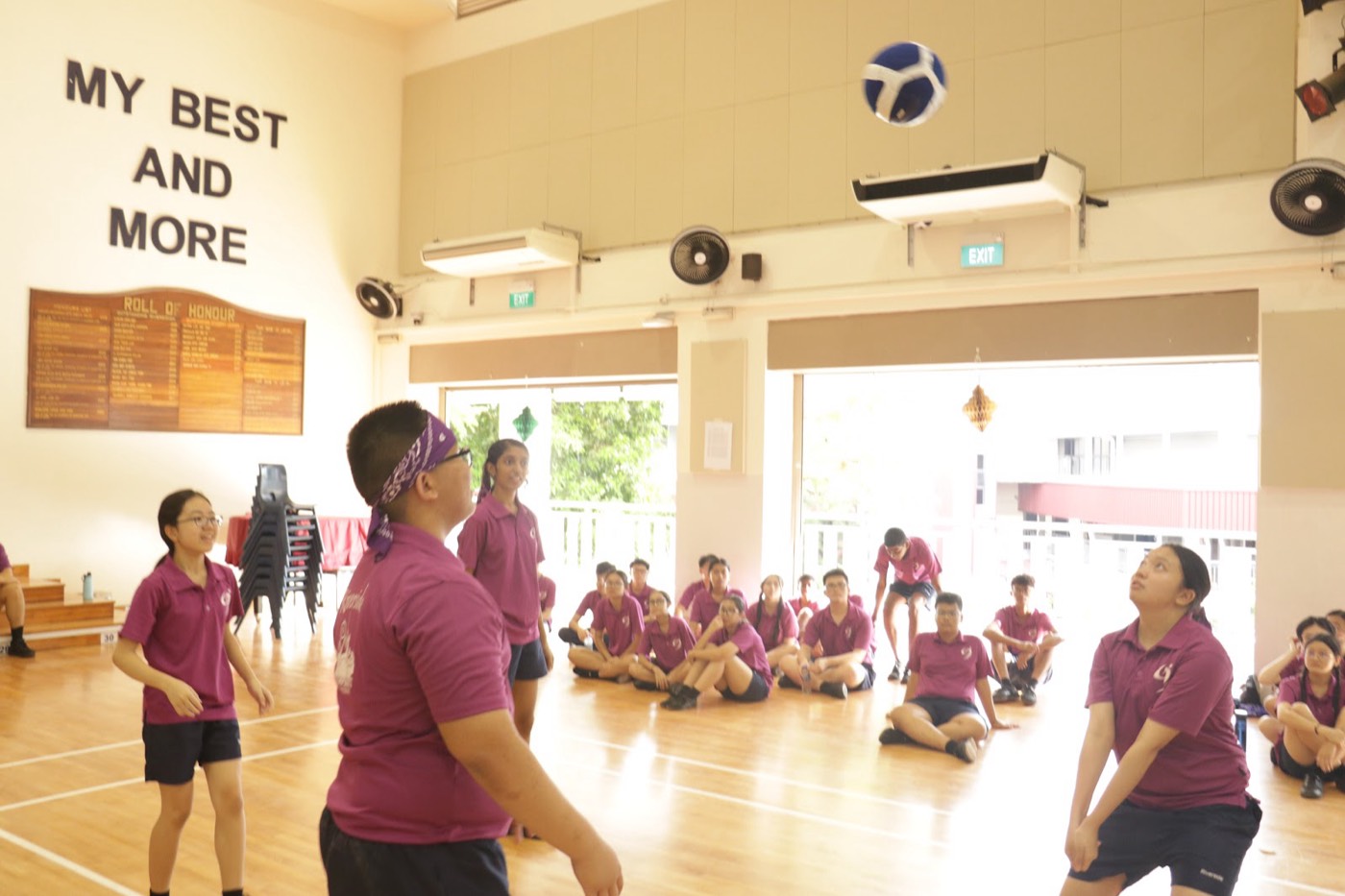
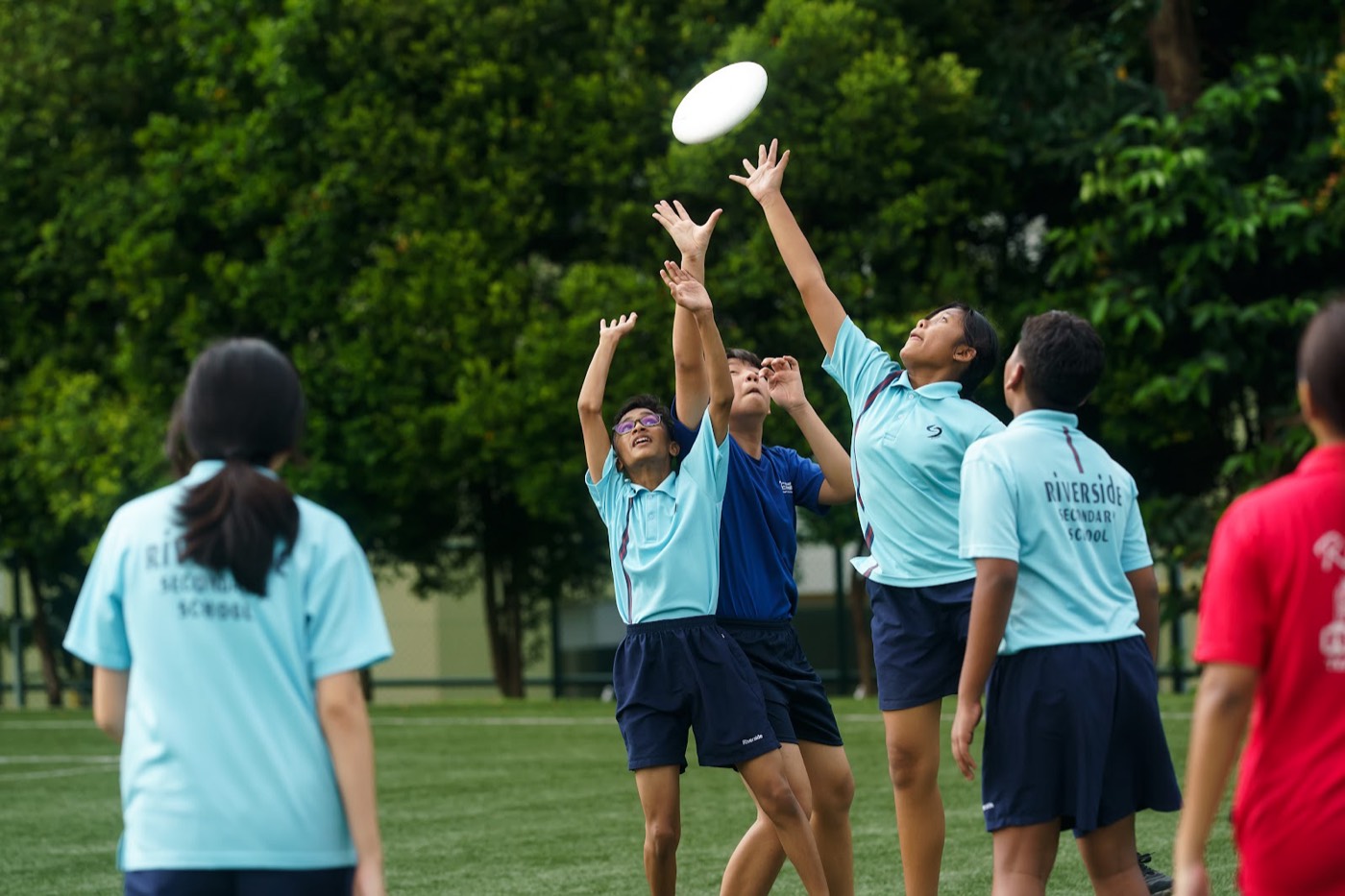
Our students enjoyed their PE lessons through various modules such as fitness and conditioning, outdoor education, and sports modules.
Getting Fit is Fun!
Students looked forward to the fitness and conditioning module as they saw it as a challenge for themselves to get fitter and, at the same time, pass their NAPFA test. PE teachers incorporated a variety of activities to make the module fun and challenging. Activities such as team pacing, beep test, circuit training, and tabata challenges improve students' heart health and develop a resilient spirit in them.
Harnessing Technology for PE lessons
Our PE teachers adopted technology-mediated solutions to support our students’ learning. Through generation of valuable analytics about student participation and skill development, identification of improvement areas provide feedback for teachers to adjust teaching methods accordingly.
I participated in captains ball, badminton, and CPR practice during PE lessons. This experience developed both soft skills—teamwork, perseverance, and leadership—and hard skills including three ball-passing techniques, badminton hand positioning, fire safety, and CPR. During the Sports Carnival, I led my class, strengthening bonds and unity whilst competing against other classes. This reinforced the importance of teamwork and social cohesion. We encountered teammate disputes, which we resolved by remaining calm, avoiding hurtful comments, and controlling our tempers whilst acknowledging each situation. I value PE because it enhances both my soft and hard skills. Many mistakenly believe sports only develop physical abilities, overlooking the essential life skills and character traits that PE cultivates.— Michael Chia Yi Jie