Design and Technology
Discover how Design and Technology equips students with creative problem-solving skills. From sketching to building prototypes, students tackle real-world challenges at every level.
Aims and approach:
Design and Technology (D&T) encourages students to develop a mindset of creativity and problem-solving through design thinking. Students learn to navigate uncertainty and complexity by addressing real-life problems and challenges. Alongside these skills, they learn to present ideas through sketching and working with various materials.
The approach to the teaching and learning of D&T is focused on:
creating awareness and interest in design (lower secondary); and
inculcating creativity and an innovative spirit (upper secondary).
Key programmes:
Lower Secondary
Coin Saver Project
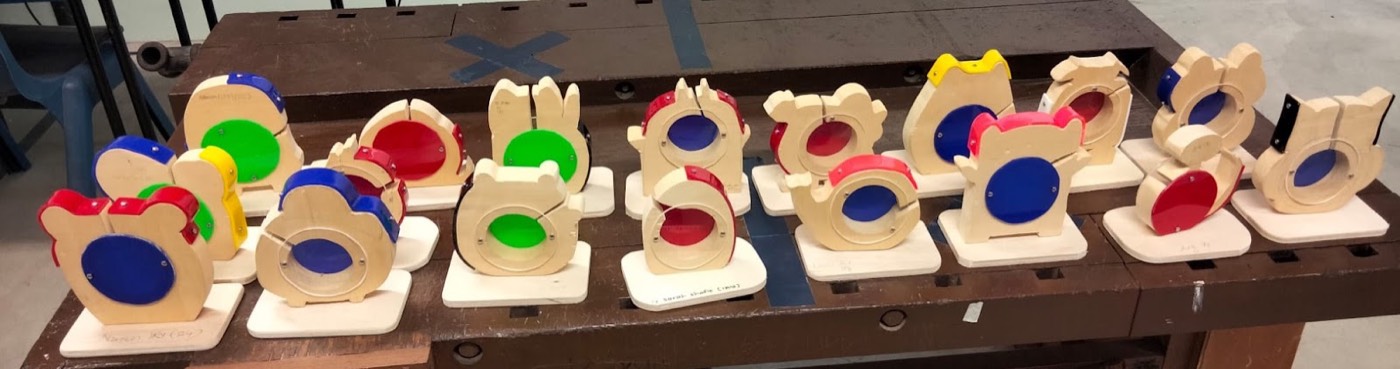
In this project, students begin by learning basic sketching techniques using paper and pencils. They then apply these skills to design a coin saver with young children as their target audience. Through this design thinking process, they identify users' needs and create prototypes to meet the needs of the users. Additionally, students gain hands-on experience with basic workshop tools and machinery, enhancing their practical skills.
Handphone holder
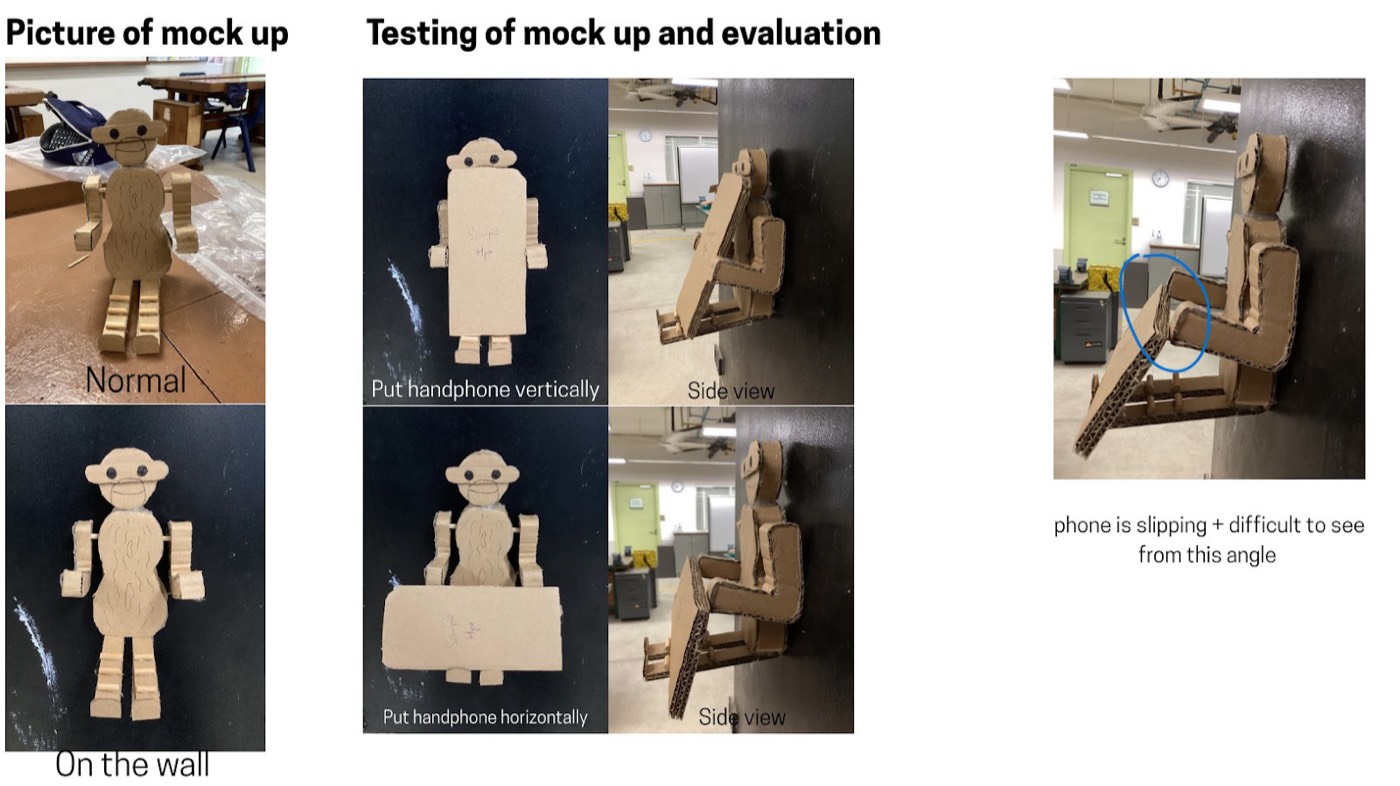
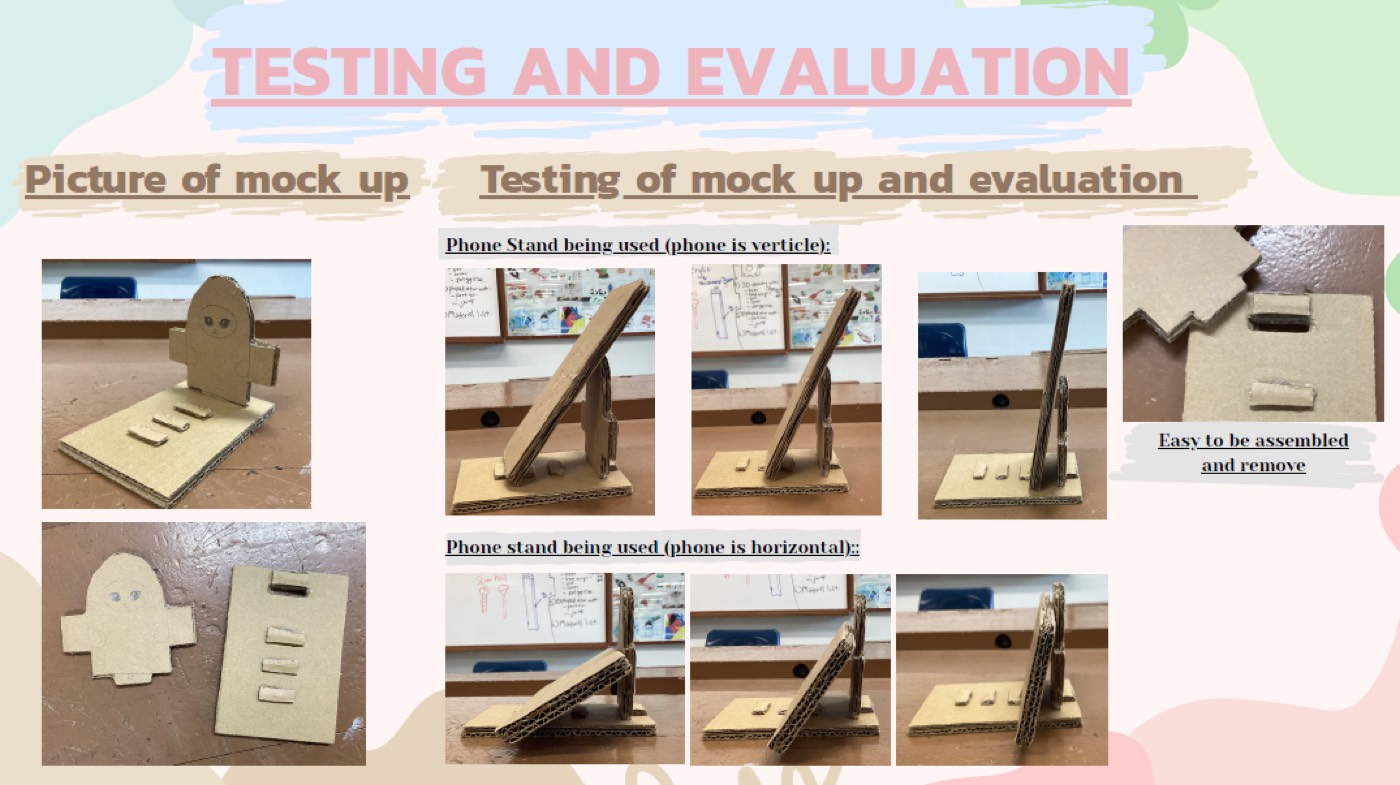
Students are taught how to use digital tools such as Sketchbook on their Personal Learning Devices. This technology-enabled solution allows them to flexibly iterate their designs and ideas. They also learn to translate these ideas into physical artefacts through creation of mock-ups for testing and review.
Upper Secondary
Solving Real-World Problems
Students are taught the design process as a way of thinking and doing. This allows them to focus on creating solutions which are purposeful and meet user needs. They are also introduced to commercial heavy-duty machinery such as the lathe and milling machines. They put together their knowledge to create working prototypes.
RS Builders
This lower secondary programme is carried out as part of the end-of-year post-examination activities. Students applied their knowledge of electronics from the D&T curriculum to build a simple LED circuit.
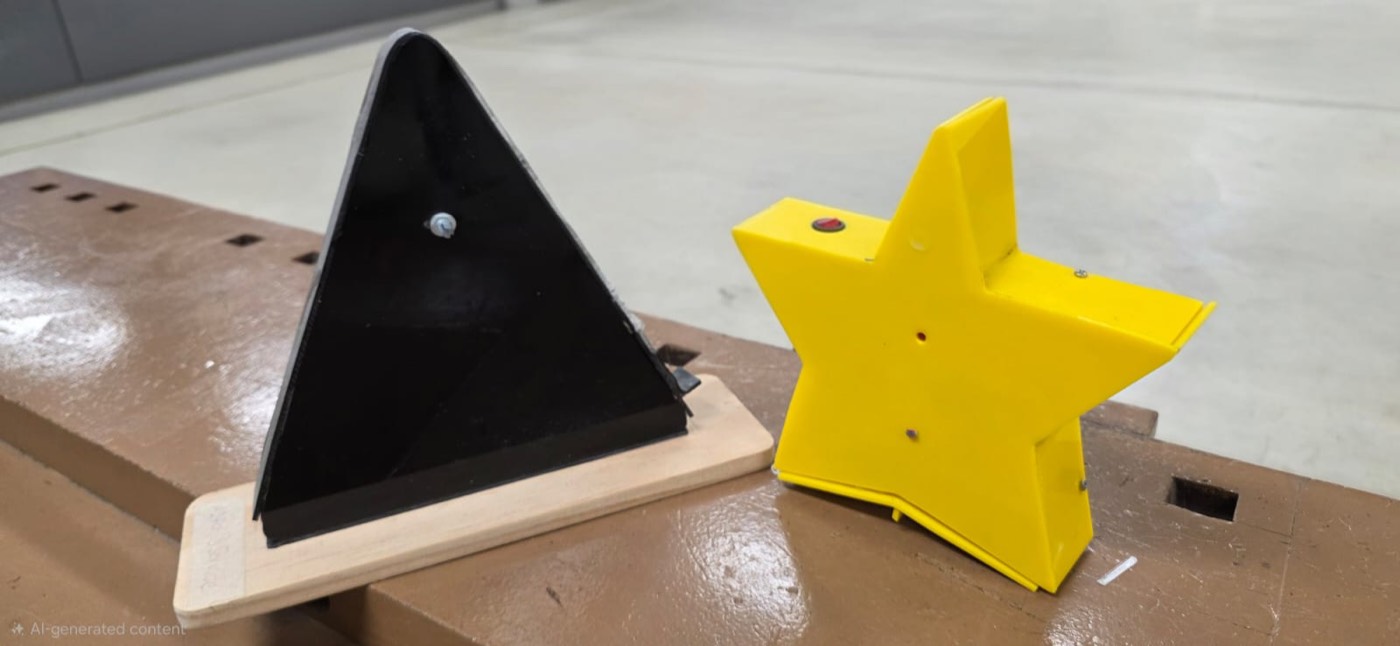
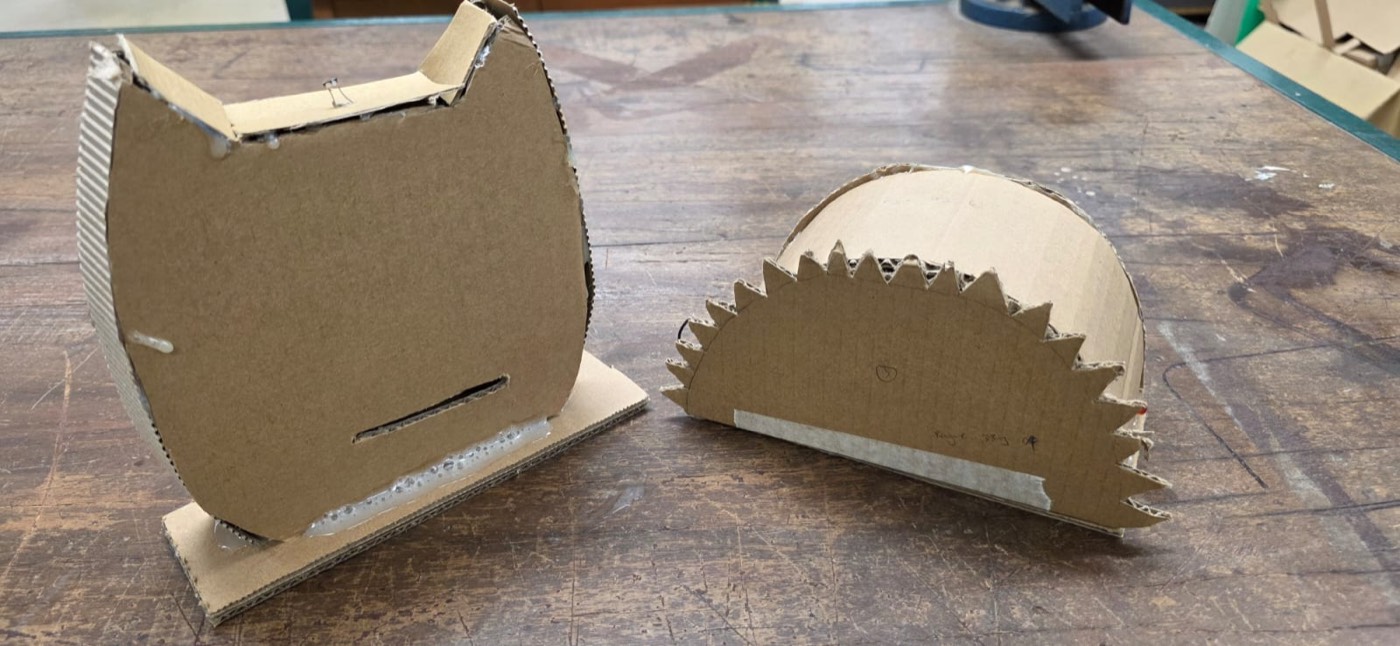
Through my Design and Technology projects, I aim to identify real-life problems and create meaningful and practical solutions. For example, I designed and made a sunshade mockup that automatically opens when there is a strong presence of light. The sunshade helps to block blazing sun rays from shining on users and allows them to feel cool and relaxed. This project helped me strengthen my ability to develop products that meet specific needs. I encountered challenges in developing realistic designs, but I overcame them by researching various ideas and analysing the problem from multiple viewpoints. This experience enhanced my creativity and problem-solving skills. It taught me to create products that are both practical and considerate of others’ needs.— Rayne Ang Ray Ern