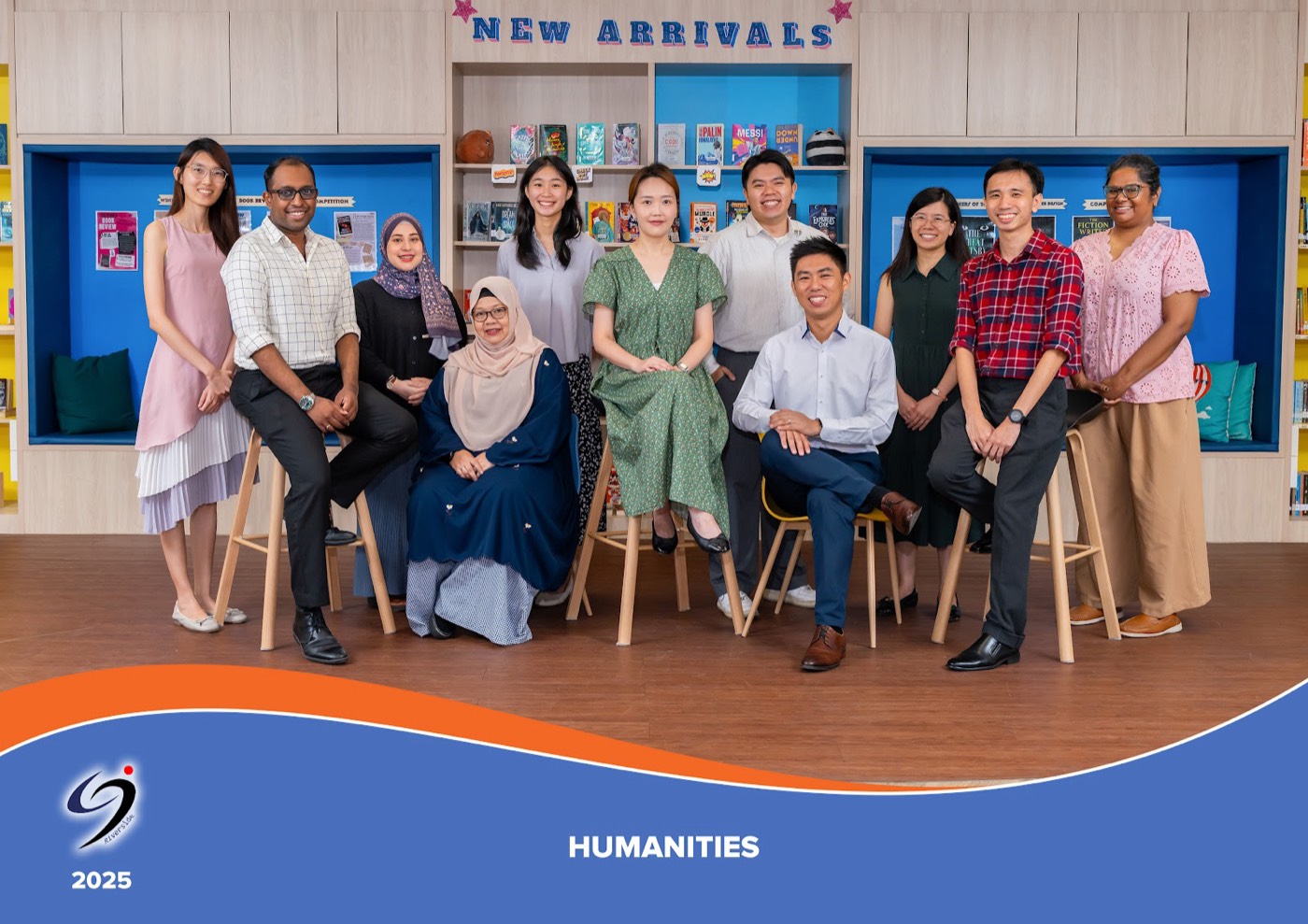
Humanities
Explore how our Humanities programmes build critical thinkers through inquiry and real-world challenges like Model United Nations and history competitions.
Aims and approach:
The Humanities Department nurtures globally competent citizens who understand our interconnected world and the complexities of human experience. Through Humanities study, students develop awareness of diverse perspectives, empowering them to engage thoughtfully with real-world issues and contribute meaningfully to society.
Our inquiry-based approach inspires students to question, evaluate, and analyse information critically. We incorporate Paul's Wheel of Reasoning and Socratic Questioning to build strong thinking frameworks, enabling students to examine information with depth and rigour. This focus on critical thinking equips students with the intellectual curiosity and analytical skills needed to navigate our complex global landscape.
Key programmes:
Riverside Model United Nations (RSMUN)
RSMUN, a hallmark of our Applied Learning Programme, develops students' critical thinking through social issues exploration. Students evaluate sources, craft proposals, and present ideas while building teamwork and leadership skills.
Design Y Challenge
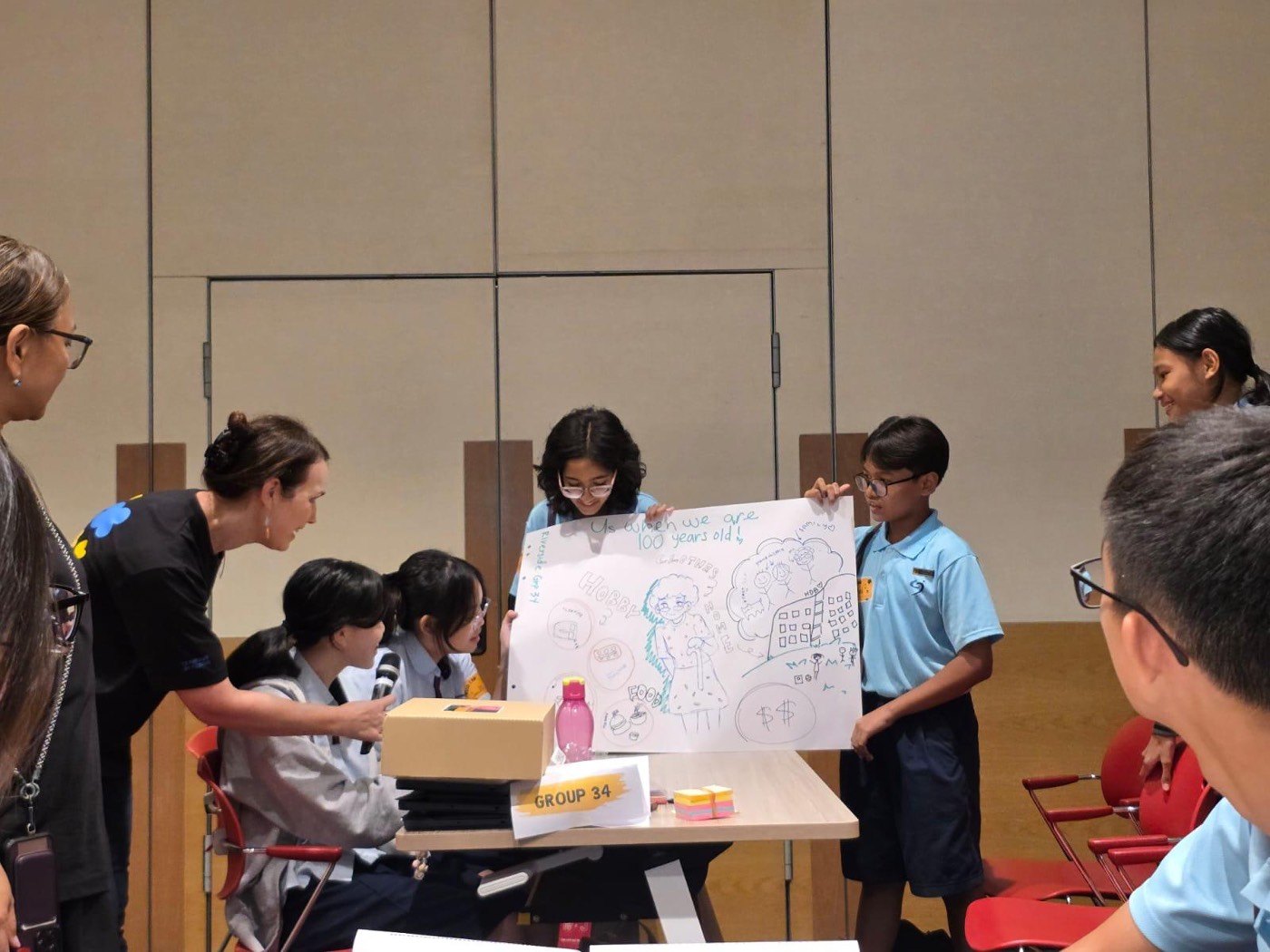
As part of a Humanities Department initiative to nurture empathy and critical thinking, ten students participated in the prestigious Design Y Challenge, a national youth design competition by DesignSingapore Council. Focused on building healthy relationships with the Ministry of Social and Family Development, students applied design thinking to real-world issues, developing creativity and innovation skills. They were shortlisted as winners to present at Design Education Summit 2025.
Experiential Learning: Connecting Knowledge to the Real World
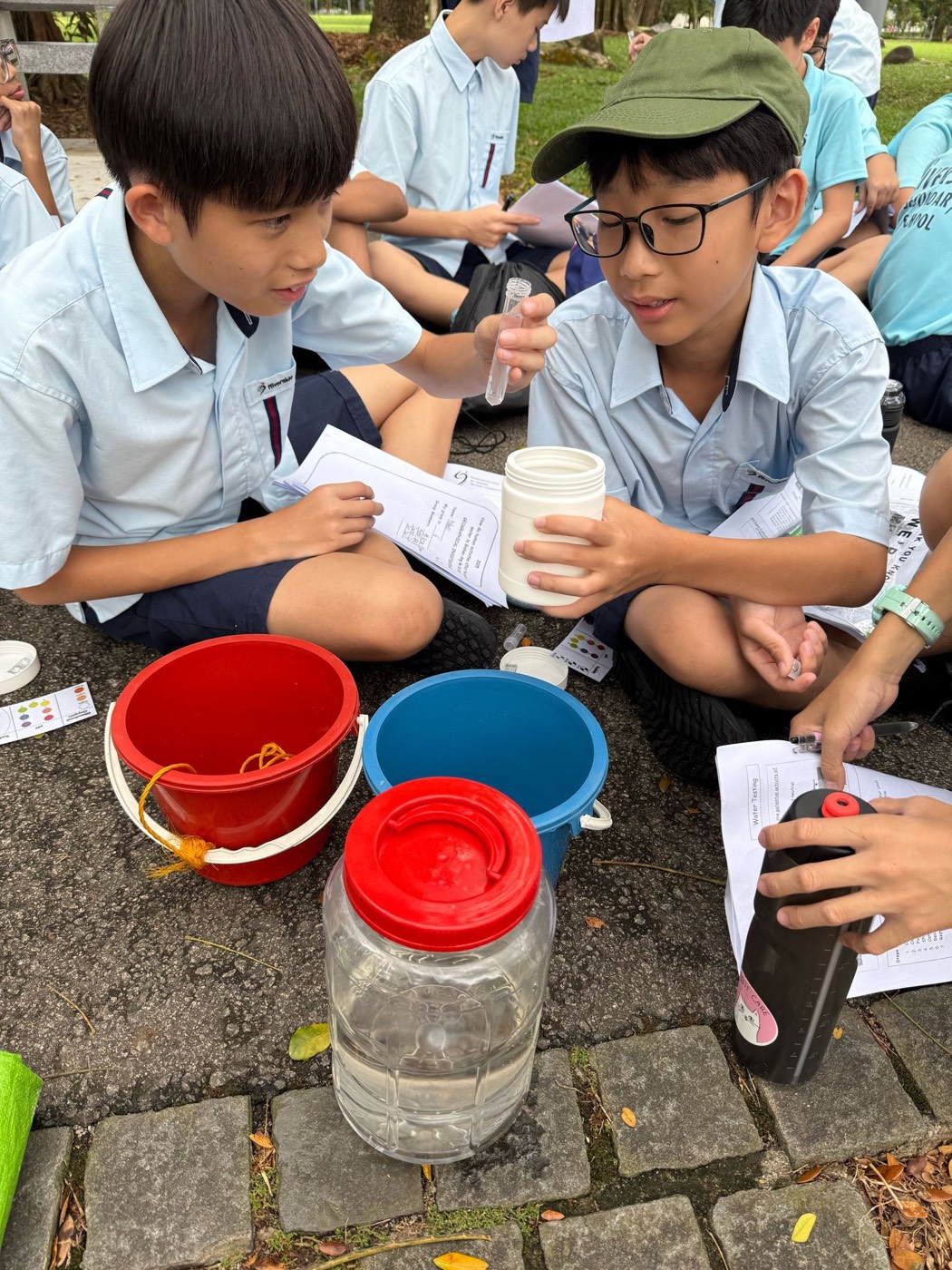
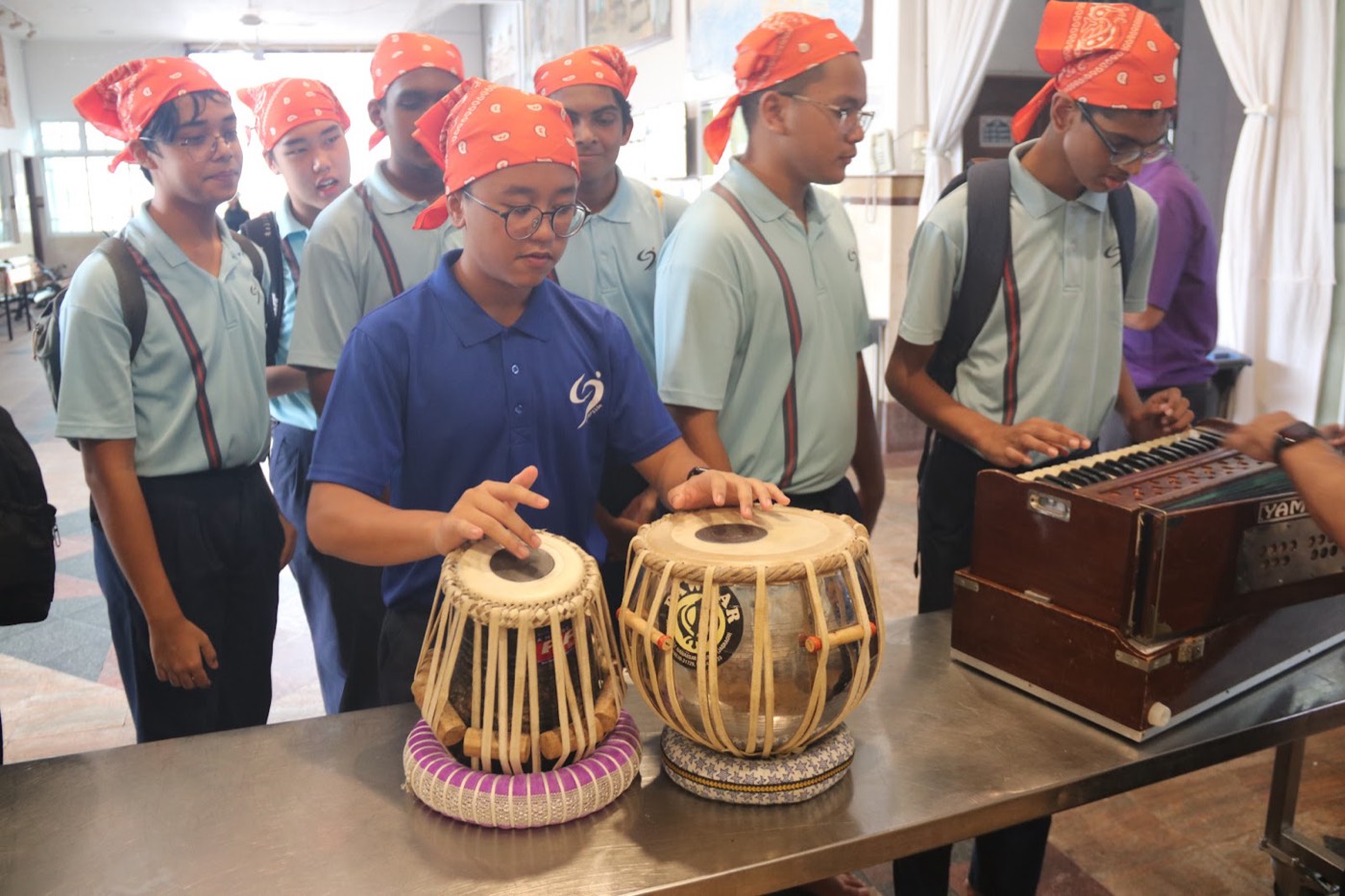
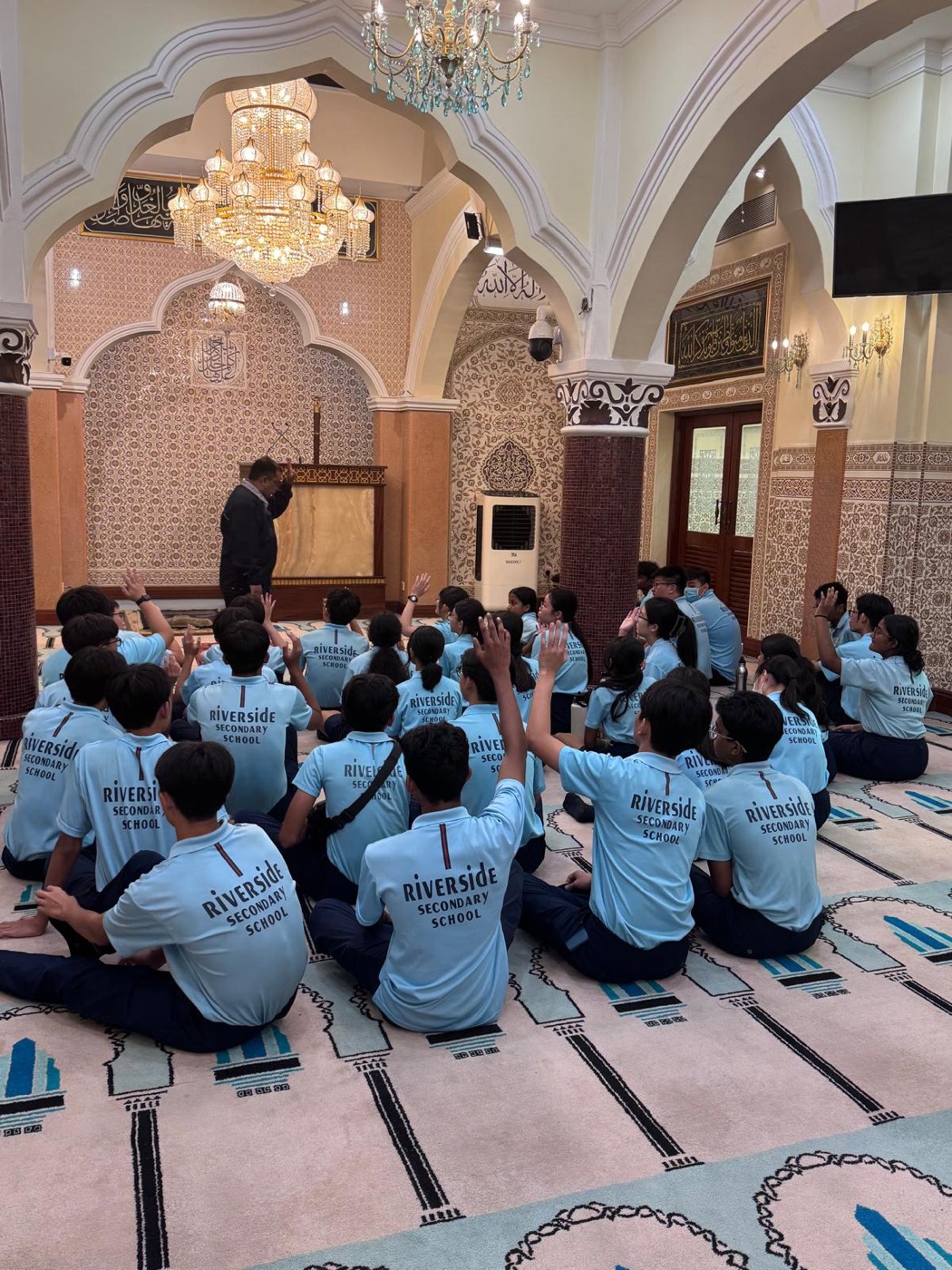
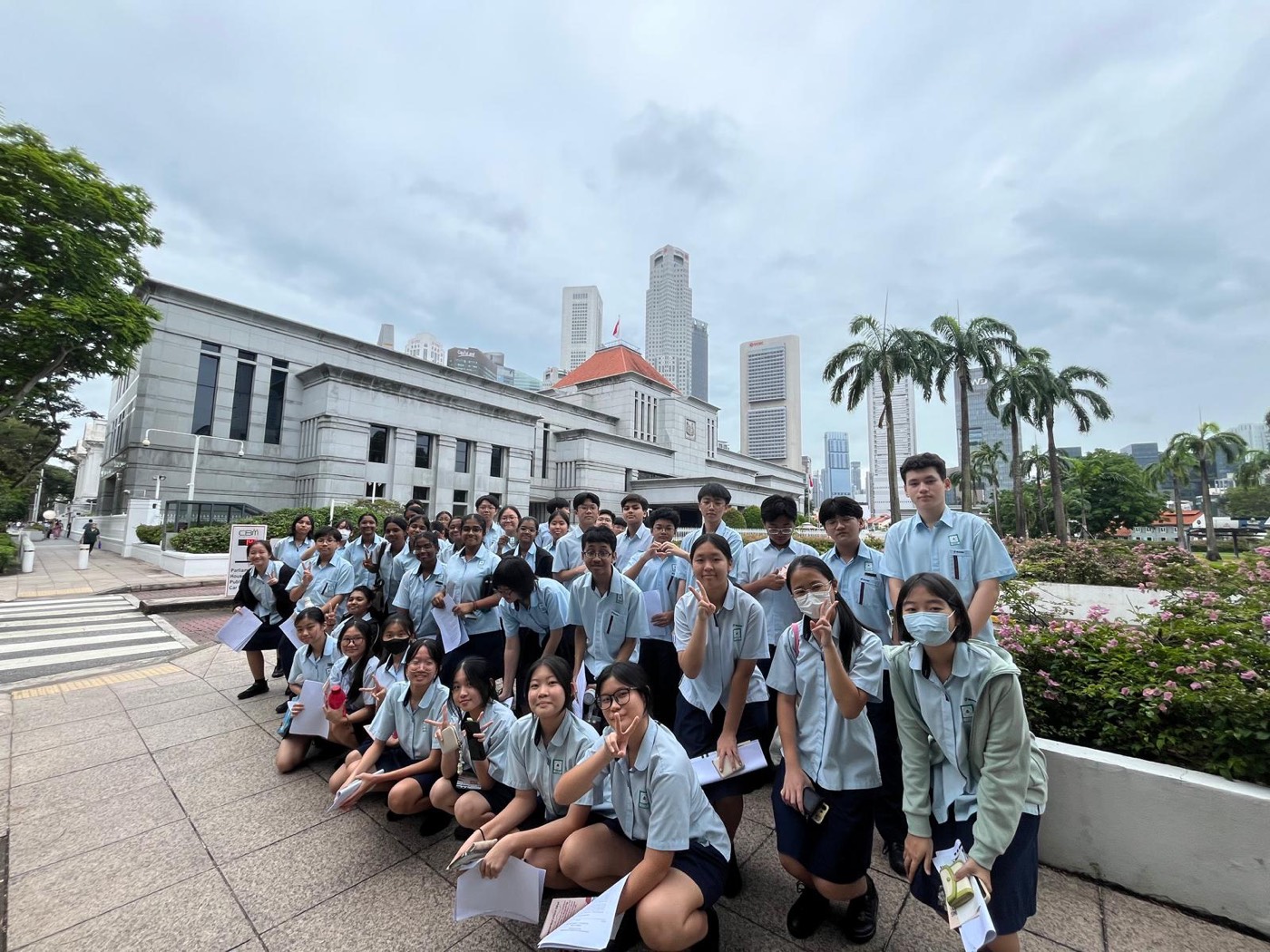
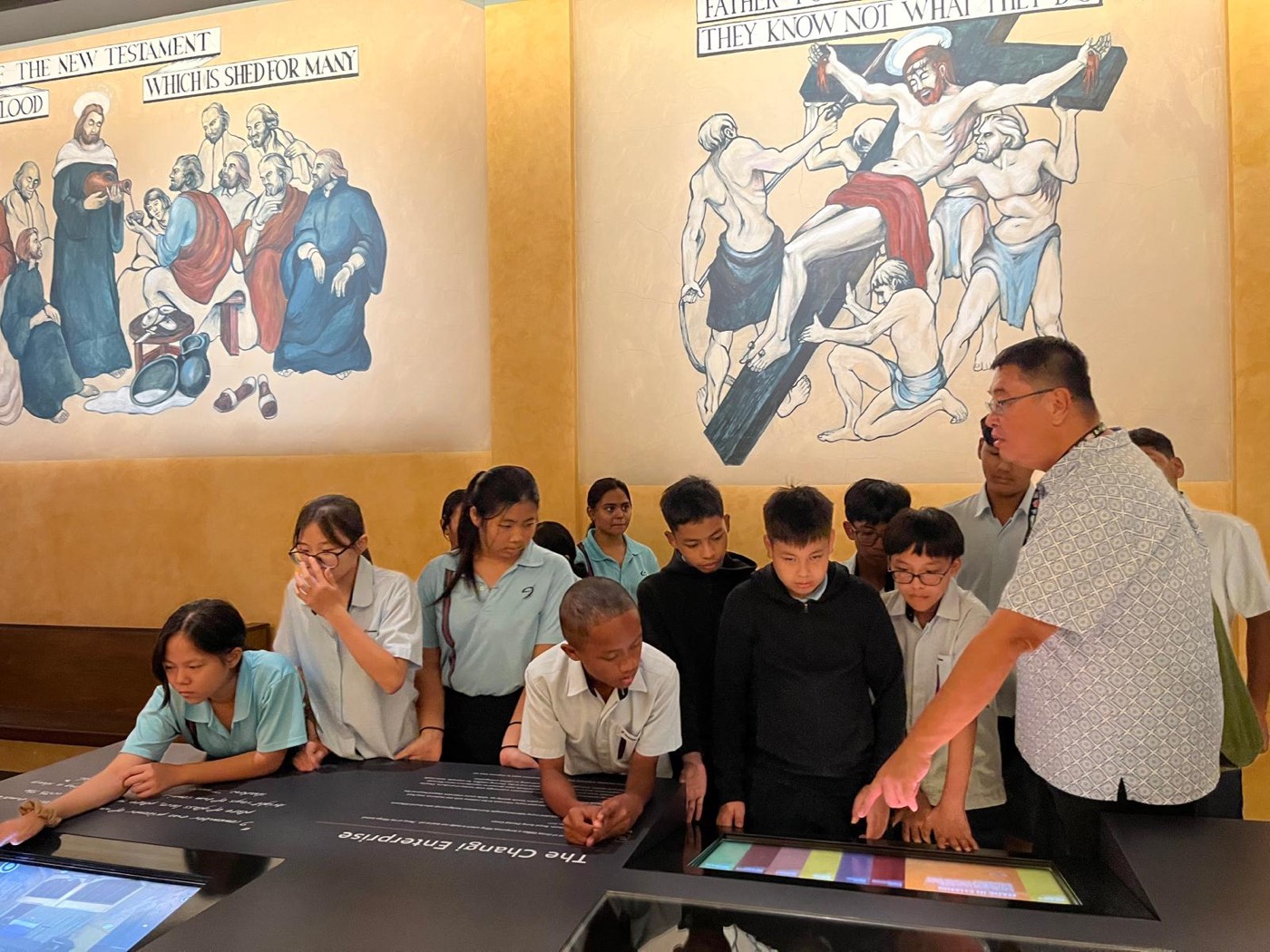
The Humanities Department extends learning beyond the classroom through enriching experiences that develop students’ global perspective. Selected students represented the school in prestigious competitions like the NUS Geography Challenge and Model United Nations conferences, honing research, public speaking, and diplomacy skills. Learning was enhanced through visits to Parliament House, the Religious Rehabilitation Group, and the Internal Security Department. Historical and Geographical Investigations enabled authentic fieldwork, nurturing informed, empathetic learners ready to contribute meaningfully to society.
The NUS Geography Challenge deepened my passion for humanities. My teammates and I redesigned a school into a multi-purpose community facility, strengthening teamwork, communication, and creative problem-solving whilst learning to appreciate different perspectives. Written tests required applying geographical knowledge under pressure in real-world scenarios, honing critical thinking and decision-making abilities. Overall, the challenge was immensely rewarding, combining academic learning with valuable life skills and personal growth.— Kaylee Averine